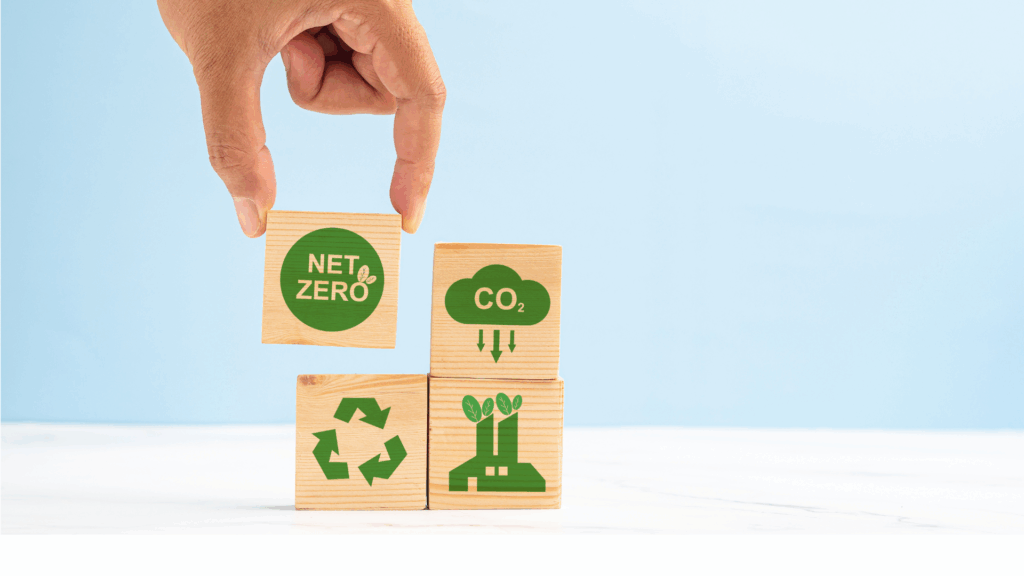
Adopting eco-responsible behavior requires optimized human resources management and support for employees as they develop their skills. This also applies to clinical assessment professions, as explained by the Multihealth Group.
According to a global study conducted by the WHO (1), the healthcare sector is responsible for 4.4% of greenhouse gas emissions. In France, the Shift Project report estimated this rate at 8%. Eco-responsibility means limiting one's ecological footprint and impact on the environment.
To support this change, it is essential to adopt a more efficient approach to human resources, particularly in terms of work organization and the acquisition of new skills. In an environment such as healthcare, which is constantly evolving in terms of technology and regulations, it is obvious that professionals need to upgrade their skills. Better organization of tasks and skills not only reduces this ecological footprint, but also ensures greater comfort for teams, thereby helping to limit staff turnover.
Optimizing project management
Process streamlining and optimal project management are sustainable drivers of efficiency. Clinical investigations, which are often lengthy and costly, involve numerous professions and employees who need to be motivated and coordinated. Ensuring that team members have the right skills to optimize the various phases of clinical trials is an integral part of environmental responsibility. From design to analysis of results, the Project Manager must, for example, guarantee the quality of the work provided and adherence to the schedule. Training in "Clinical Project Management" may be essential to ensure that the Project Manager has the necessary global vision and appropriate management tools to manage the study in an environmentally conscious manner.
Skills development: the key to employee retention
A survey conducted by LinkedIn Learning showed that 94% of employees would stay longer with their company if it invested more in their professional development (2).
In addition, 92% of people born between the early 1980s and the mid-1990s said they "consider learning and professional development opportunities" to be a key criterion when choosing an employer (3). This highlights the importance for companies to implement continuing education and skills development programs to meet the expectations of new generations. Professional development strategy is now a major challenge for companies seeking to attract and retain the talent of tomorrow.
Short, repeated formats
Among training models, microlearning or short courses are particularly popular because they enable rapid skill development and can be easily integrated into already busy schedules. These "flash" courses focus on specific skills that are directly applicable to everyday work. For example, a half-day spent learning to take a critical look at clinical data or analyzing the different methodologies available for conducting clinical investigations can provide the necessary perspective for teams that are sometimes too "buried in their work." A survey showed a 30% improvement in employee retention in companies that use microlearning (4).
Overall, these short, recurring training courses help to retain employees by offering them career development opportunities and also provide them with a certain degree of security in the face of rapid changes in the sector.
Social and managerial responsibility
CSR, or Corporate Social Responsibility, refers to the contribution companies make to sustainable development issues, both in their activities and in their interactions with stakeholders, including employees. Continuing education is an added value with a triple positive impact: economic, social, and environmental.
Staff turnover leads to a loss of know-how and increased recruitment costs. Managers are directly impacted by departures from their teams, which is why they have a key role to play in promoting continuing education for employees. Cultivating an environment where personal curiosity and continuous learning are valued encourages the development of team members' skills. They will thus be more inclined to seize opportunities for professional development.
In conclusion
Employees and teammates are agents and drivers of change. The ecological transition requires rethinking not only companies' products and services, but also their internal organizations.
Skills development through (frequent) continuing education supports team performance and also helps retain employees by meeting their long-term learning needs. Companies that invest in training value the growth and development of their employees, which is also an attractive criterion for future candidates. Optimizing work practices, coupled with ongoing and tailored training, is essential to meeting environmental challenges while maintaining high levels of performance and innovation.
By favoring short and repeated training formats, companies can ensure talent retention and better adaptation to rapid changes in their sector. These virtuous practices, which benefit everyone, are therefore highly recommended.
1 World Health Organization
2 Workplace Learning Report 2023
3 Deloitte’s Millennial Survey 2022
4 Bersin by Deloitte, High-Impact Learning Organization, 2019